Roadway engineering in Minneapolis is far more than asphalt and concrete—it is a discipline rooted in the city’s unique geological and climatic identity. This category encompasses the full lifecycle of pavement systems, from subgrade evaluation and material specification to structural design and long-term performance monitoring. Given Minneapolis’s role as a critical economic hub in the Upper Midwest, with dense freight corridors, expanding light-rail networks, and a legacy of industrial traffic, robust roadway design is essential. A well-engineered pavement structure must resist not only daily axle loads but also the relentless freeze-thaw cycles that define Minnesota’s seasons. Understanding how water, frost, and traffic interact beneath the surface is what separates a durable roadway from one that fails prematurely.
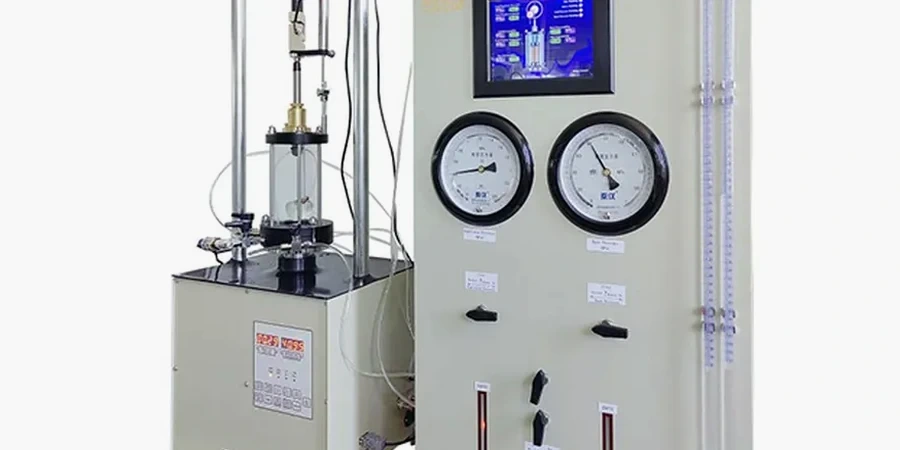
The local geology presents a layered challenge. Much of Minneapolis is underlain by glacial till, outwash sands, and lacustrine clays deposited during the last ice age. These soils can be highly variable, with pockets of organic material and silts that become unstable when saturated. Seasonal frost penetration, which can exceed 60 inches during harsh winters, triggers differential heaving and subsequent thaw weakening in spring. This is where a rigorous CBR study for road design becomes indispensable: it quantifies the bearing capacity of the native subgrade, allowing engineers to calibrate the pavement structure so it can withstand the stresses imposed by both climate and traffic. Without this data, even a well-mixed asphalt layer can crack and rut under the combined assault of moisture and load.
Regulatory compliance in Minneapolis operates under the broader framework of the Minnesota Department of Transportation (MnDOT) Standard Specifications for Construction, supplemented by the city’s own engineering standards. Key references include MnDOT’s Pavement Design Manual, which outlines procedures aligned with the AASHTO 1993 Guide for Design of Pavement Structures, and the mechanistic-empirical design methods gaining traction statewide. These norms dictate everything from minimum granular base thicknesses to asphalt binder performance grades, which for Minnesota’s climate typically require low-temperature PG grades like XX-34 or XX-40. Adherence to these standards is not optional; it is the contractual and legal backbone of any public roadway project, ensuring that designs can withstand the region’s extreme thermal differentials.
The types of projects that demand this expertise range from municipal street reconstructions and county highway widenings to private commercial developments and industrial yard pavements. Flexible pavement design remains the dominant choice for arterial roads and residential streets due to its staged construction advantages and smooth ride quality, while rigid pavement design is often specified for bus rapid transit lanes, intersections prone to rutting, and heavy industrial loading docks where long-term stiffness and durability justify the initial investment. Each project type requires a tailored approach—a parking lot for a distribution center in Northeast Minneapolis has vastly different structural demands than a mill-and-overlay on a historic parkway. The common thread is the need for a defensible, data-driven design that accounts for the specific soil, drainage, and traffic conditions on site.
A typical residential section in Minneapolis consists of approximately 3 to 4 inches of MnDOT-specified asphalt over 6 to 8 inches of aggregate base, placed on a compacted, frost-susceptible subgrade. The exact thicknesses depend on the subgrade’s CBR value and the projected traffic, with designs following MnDOT’s low-volume road standards to balance cost and durability against frost action.
Freeze-thaw cycles cause volumetric expansion and contraction in the subgrade, leading to frost heave in winter and loss of bearing capacity during spring thaw. This weakens the pavement structure, accelerating fatigue cracking and rutting. Proper drainage, non-frost-susceptible base materials, and adequate pavement thickness are critical to mitigating these seasonal damages.
While the AASHTO 1993 empirical method is still widely used, MnDOT has been transitioning toward the Mechanistic-Empirical Pavement Design Guide (MEPDG) for major arterials. The M-E approach models pavement responses to traffic and climate more accurately, allowing engineers to predict distresses like thermal cracking and rutting specific to Minnesota’s environment.
Geotechnical investigation is foundational. It involves soil borings, laboratory testing for grain size and moisture susceptibility, and CBR testing to determine the subgrade’s structural support capacity. This data directly informs pavement thickness design, drainage requirements, and whether soil stabilization or geogrid reinforcement is necessary to meet the 20-year design life required by local standards.